Why Unfair Runs Collapse
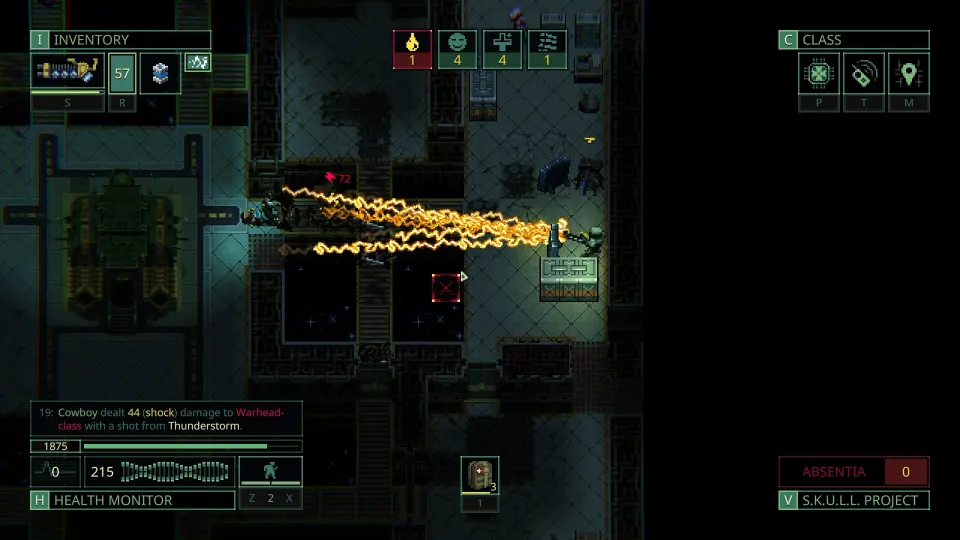
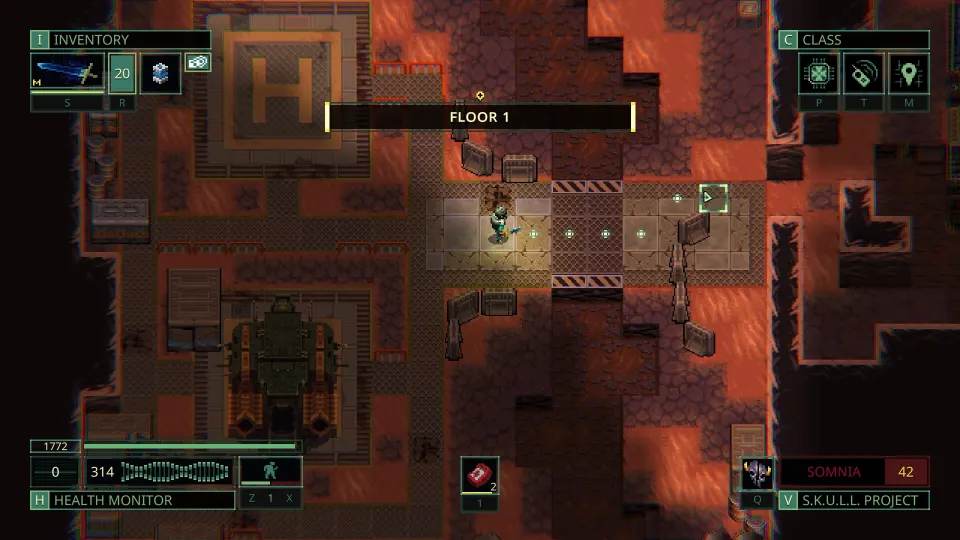
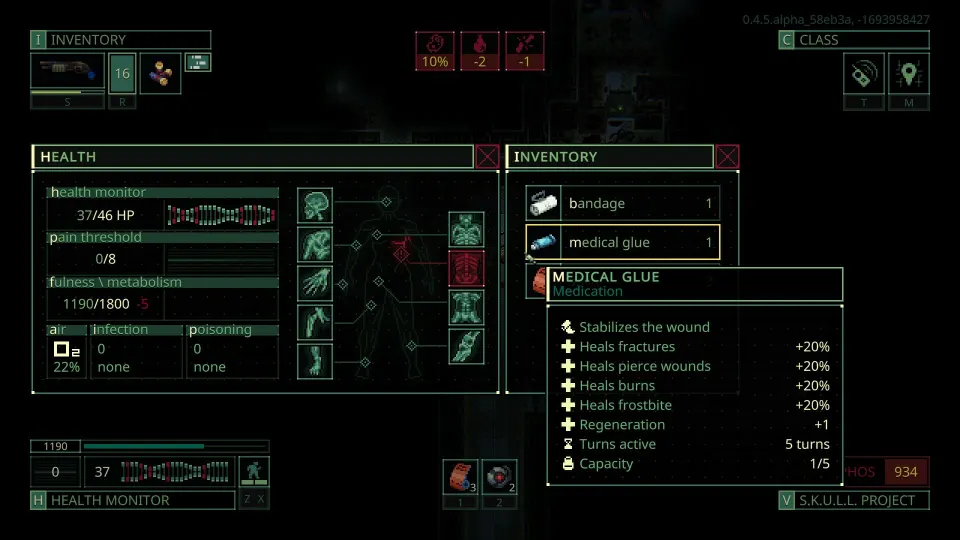
Unfair can turn a successful Quasimorph campaign into a gear shortage after one bad encounter. Staying alive requires limiting enemy firing opportunities, choosing manageable contracts, and keeping equipment for your next operator. A strong character helps, but a campaign becomes fragile when that character carries everything worth using.
Players in the Steam Unfair discussion describe continuing after losing their main operator. They also describe sudden deaths despite upgraded equipment and developed class skills. Treat survival and replacement planning as equally important parts of progression.
An older community guide for version 0.8 describes increased enemy action points, vision, and damage. A later discussion specifically mentions Unfair's extra two AP. Read the difficulty descriptions in your installed build before relying on historical numbers.
| Pressure | What it means for your decisions |
|---|---|
| Extra enemy actions | An exposed position can allow several dangerous actions before you recover. |
| Advancing faction technology | Corporations begin deploying higher-tier assets as their tech rises. |
| Losing your main equipment | Replacement weapons, armor, and bags determine how comfortably you continue. |
| Low mission skulls | A relatively easy contract can still overwhelm an under-equipped operator. |
Choose Contracts for Your Current Gear
Mission skulls are a relative comparison with other missions in the current Solar System. They are useful for narrowing your choices, but they do not guarantee safety. The difficulty guide also emphasizes objectives, floor count, failure conditions, and the equipment you risk.
| Contract choice | Potential advantage | Unfair consideration |
|---|---|---|
| Short escort missions | Friendly support and opportunities to acquire useful equipment | Community advice favors these particularly early in a campaign. |
| Infiltration | Fighting between factions can reduce the pressure on you | Players report infiltration squads appearing one tech tier higher. |
| Rescue, control, or security | Opposing factions may fight each other | Shared combat does not make every surviving enemy manageable. |
| Defense | Terrain preparation can create a protected fighting position | Players describe severe difficulty without suitable preparation. |
Before launching, follow this sequence:
- Read the objective and its failure conditions.
- Compare the number of floors with the supplies you can bring.
- Identify the opposing faction and assess your equipment against it.
- Check whether friendly forces or another hostile faction will participate.
- Decide whether losing the entire carried kit would leave you able to continue.
Early community advice often favors Absentia locations, where players can concentrate on human opposition without the same quasimorphosis pressure. Mars, Phobos, and Deimos are examples mentioned in player recommendations. This is an early-game preference, not a guarantee that every mission there is easy.
Control Sightlines Before Trading Shots
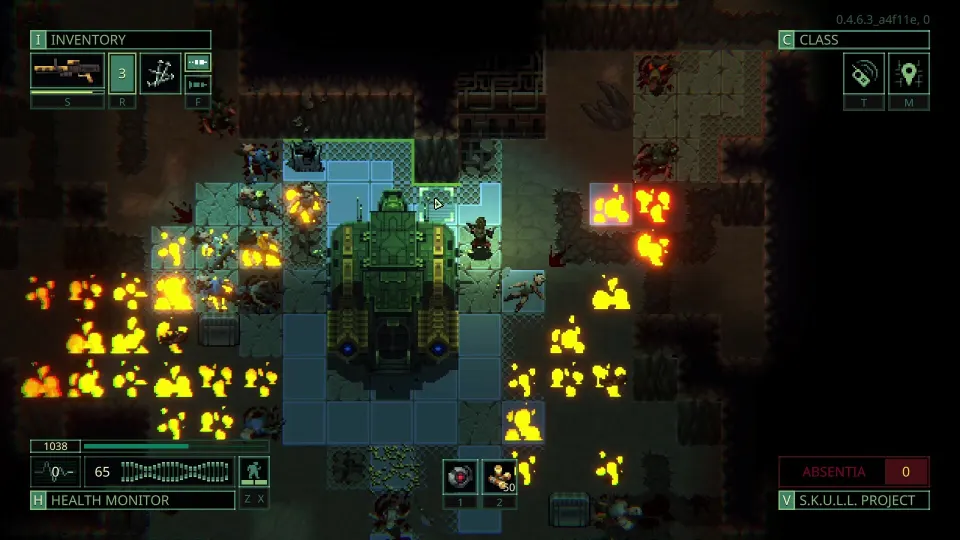
Unfair rewards reducing the enemy's opportunities to act against you. Community advice repeatedly favors fighting from full cover, drawing enemies toward prepared positions, and using terrain destruction to create safer approaches. Some detailed recommendations originated in beta play, so check how they behave in your installed version.
Start by looking at doors and corners. A position behind cover can still fail when an enemy moves around the wall or reaches the same cover. Avoid waiting immediately beside a doorway or at the exposed end of a barrier; give yourself space to react to an approaching enemy.
Use this practical combat routine:
- Prepare the approach. Identify full cover and a retreat route before starting a fight.
- Open sightlines deliberately. Players recommend destroying doors from cover to reduce close-range surprises.
- Use a spare weapon for demolition. A looted gun with locally available ammunition can preserve your primary weapon's supply.
- Finish immediate threats. Saving ammunition is less valuable when a surviving enemy gets another chance to shoot.
- Check your rear. Uncleared rooms can allow enemies to interrupt a retreat or attack from behind.
Sneaking needs particular care. One beta player's advice recommends using its ability to detect enemies through walls from a protected position, while avoiding extended sneaking through dangerous areas. Treat it as a scouting option to evaluate, rather than assuming it is always the safest movement choice.
For defense missions, players describe digging a long L-shaped passage into the side walls, with at least five tiles of length. The bend interrupts direct sightlines and creates a position from which to engage approaching enemies. Its usefulness depends on the terrain and your ability to excavate it.
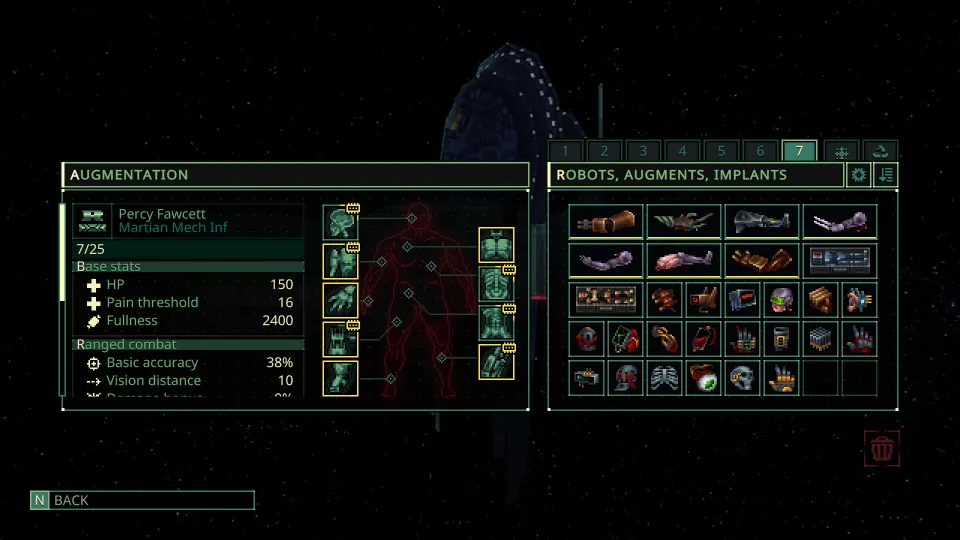
Build a Loadout You Can Replace
Your equipment should support a clear combat plan while leaving a reserve aboard the ship. Community recommendations emphasize reload speed, accessible ammunition, and weapons that quickly remove immediate threats.
| Equipment priority | Community recommendation | Practical purpose |
|---|---|---|
| Reliable early firearm | The AZ-96 is praised as an early assault rifle | Realware can provide it through enemies and mission rewards. |
| Faster reloads | Reload-supporting equipment, including the Helper backpack | Reduces the time spent unable to fire during a dangerous encounter. |
| Terrain-breaking weapon | Keep a suitable looted gun | Supports door destruction and tunneling without consuming primary ammunition. |
| Replacement kit | Store extra guns, armor, and bags | Gives another operator a workable starting loadout after a loss. |
A Reddit recommendation suggests giving secret data to Grasshopper for access to a tier-two rifle described as a sniper and assault hybrid. The same player recommends pairing it with equipment that reduces reload time. Treat this as a community progression route, with rewards and equipment effects checked in your build.
The AZ-96 receives a separate recommendation because it uses ammunition other than 797, which that player found easier to supply early. The broader principle is useful: judge a weapon by whether you can keep feeding it across several missions.
Class preferences also differ. Players recommend Tunnel Rats for early looting and ship development, while another recommendation pairs Angel of Spades with the Grasshopper rifle for offense.
One beta report recommends clearing with a smaller backpack and minimal equipment, then using a larger pack for extraction. Check carried weight and dodge effects before loading your fighting kit with loot.
Recover Without Falling Behind Faction Tech
A dead operator does not automatically end the campaign. The harder problem is rebuilding while corporations continue fielding stronger equipment. A low-skull mission may still be dangerous if your replacement operator wears substantially weaker gear than the opposition.
Build your reserve during successful missions. Bring back usable armor, firearms, and bags before treating every spare item as disposable. Prioritize equipment that forms a coherent replacement kit.
| Situation | Useful response |
|---|---|
| Your best operator dies | Equip a replacement from stored gear and reassess available contracts. |
| Your reserve cannot handle current enemies | Seek supported, shorter opportunities instead of relying on skulls alone. |
| Factions deploy better-equipped enemies | Reconsider the opposing faction, weapon choice, and exposure during combat. |
| You have secret data available | Check faction exchange rewards as a possible source of replacement equipment. |
Players specifically identify secret-data exchanges as a way to obtain gear. Check the receiving faction and its rewards before committing the data, particularly if you are pursuing a specific equipment route.
FAQ
Is Unfair actually playable?
Community players report sustained Unfair runs and describe the mode as beatable. Those reports establish that progress is possible, not that every encounter is survivable. Knowledge of enemy equipment, protected positioning, contract selection, and replacement planning all matter.
What is the main takeaway from this quasimorph unfair guide?
Limit enemy firing opportunities and preserve your ability to recover. Enter missions with a plan for doors, corners, cover, and retreat, while keeping enough equipment aboard to field another operator. A campaign should remain playable after losing its strongest kit.
Why can a one-skull mission kill a developed operator?
Skulls compare missions against the current Solar System's other opportunities. They do not promise that your armor, weapon, or class matches the enemies inside. Faction technology, objective demands, and an exposed position can make a relatively low-rated mission lethal.
Should I avoid defense missions?
Consider postponing them until you can prepare terrain and handle concentrated pressure. Unfair players describe defense as especially punishing and recommend protected, L-shaped tunnels. If your equipment cannot support that preparation, shorter missions with friendly support may be more manageable.
Is switching to Hard or custom settings worthwhile?
It can help you practice the mechanics causing repeated losses. One Steam player describes using most Unfair settings while removing the extra enemy AP. Check your build's available options and choose settings that let you learn positioning, equipment matchups, and campaign recovery.